Training well but performing below expectations in competition
 Athlete Analyst
Sport Psychology · Performance Analysis
Understand the patterns influencing your performance.
Athlete Analyst integrates sport psychology, individual interviews, structured assessments, and competitive context to understand how you function in training, competition, and under pressure — and transform that analysis into practical development strategies.
Online services · Portuguese and English · Individual and confidential process

Nicoly Porto · Psychologist · CRP 06/173440
Training and competition
When your training does not show up in competition, there is a pattern to understand.
You may know what to do, be technically prepared, and still perform differently when pressure increases. Emotions, expectations, mistakes, environment, decision-making, and previous experiences can influence how an athlete accesses what they have trained.
The goal is not simply to demand more from yourself or repeat that you need more confidence. It is to understand what is happening and build more conscious, strategic, and functional responses.
Losing control after a mistake
Experiencing anxiety, urgency, or mental blocks
Making rushed decisions under pressure
Shifting between confidence and self-criticism
Struggling to recover after losses
Not understanding why some days work and others do not
These patterns need to be understood within each athlete’s history, functioning, and sporting context.
What Athlete Analyst examines
An athlete is not a score. An athlete is a functioning system.
The analysis considers different areas that influence one another. No result is interpreted in isolation.
Behavior
How the athlete tends to think, act, organize, relate to others, and respond to personal demands.
Emotion
How the athlete perceives, understands, and regulates emotions, especially under pressure, uncertainty, mistakes, and expectations.
Flow
The conditions that support concentration, clarity, control, engagement, and execution during training and competition.
Identity
How the sport, routine, team, coach, family, competitive schedule, goals, and previous experiences influence performance.
How Performance Analysis works
A structured process to understand and develop your performance.
An evidence-based approach with structured assessments and individualized analysis.
Initial conversation
Understanding the athlete’s current moment, sport, goals, and needs.
Individual interview
Exploring sporting history, routine, training, competition, pressure, mistakes, losses, environment, and objectives.
Structured assessments
Assessing performance profile, emotional functioning, and conditions related to Flow according to the athlete’s sport and language.
Integrated analysis
The interview, responses, results, and sporting context are analyzed together. No assessment is interpreted in isolation.
Report and feedback session
The athlete receives an individualized report and participates in a session to understand key patterns, strengths, challenges, and priorities.
Development plan
The findings are transformed into practical strategies. When appropriate, the process may continue through ongoing support.
What the athlete receives
More than results: clarity to take action.
The goal is not to deliver a collection of scores. It is to transform information into understanding, priorities, and practical direction.
01
Understanding of individual functioning
02
Identification of strengths and limiting patterns
03
Analysis of responses to pressure, mistakes, and expectations
04
Understanding of emotional functioning
05
Identification of conditions supporting better performance
06
Individualized report
07
Feedback session
08
Clear development priorities
09
Practical strategies for training and competition
10
Guidance regarding the next steps
From understanding to development
Understanding is the first step. Development requires a process.
Performance Analysis
- Understands how the athlete functions
- Identifies strengths, challenges, and patterns
- Integrates interviews, assessments, and context
- Delivers a report, feedback session, and priorities
- Can be completed as an independent process
Ongoing Performance Support
- Transforms findings into development
- Works with real training and competition situations
- Develops psychological skills and strategies
- Monitors application, challenges, and progress
- Allows adjustments over time
The analysis shows where the athlete is. Ongoing support transforms the findings into sustained development.
Who it is for
For athletes who want to understand and develop their performance in depth.
You do not need to be a professional athlete. You need to be willing to understand how you function and actively participate in the process.
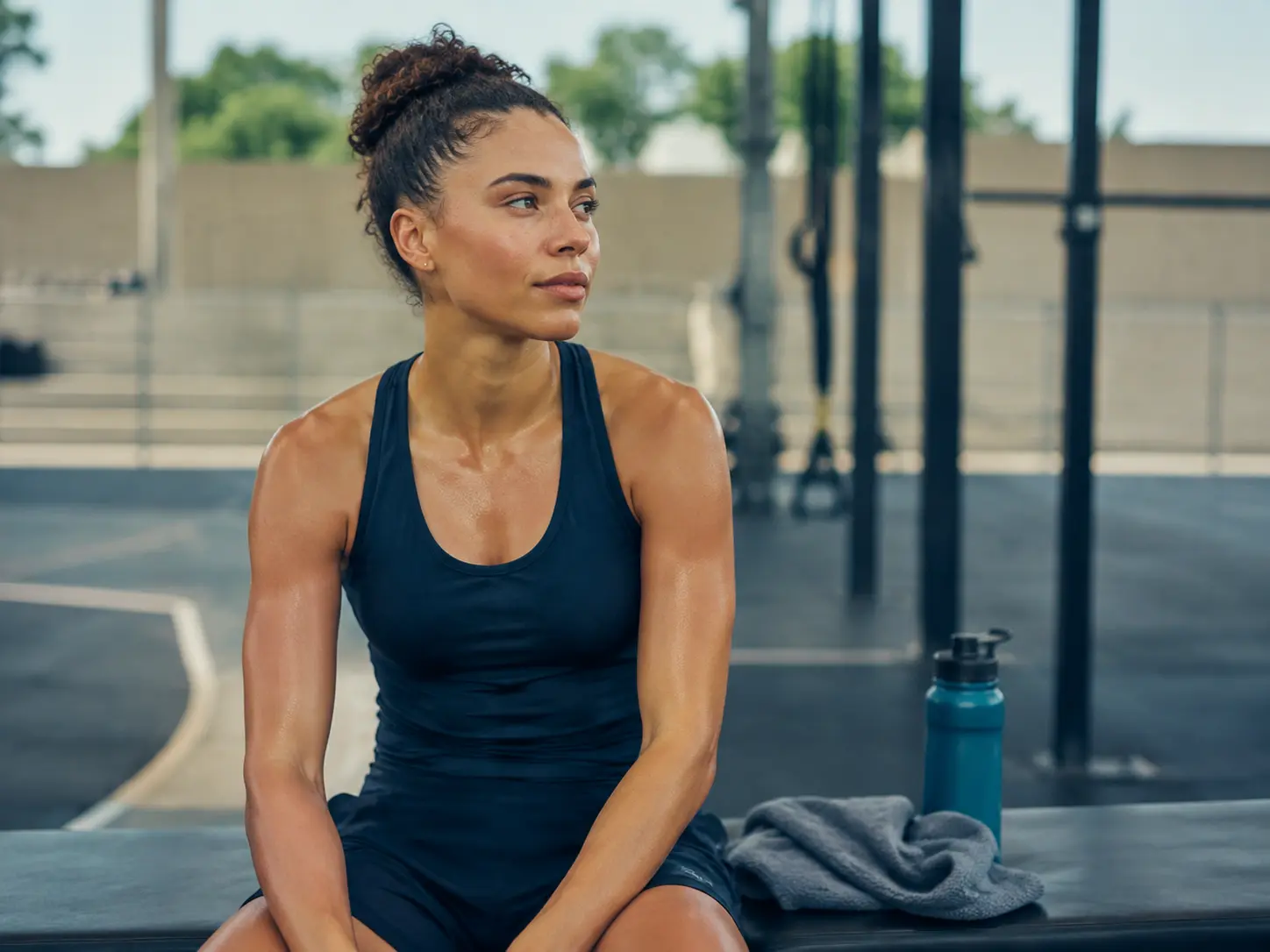
01
Athletes
Professional, competitive, or goal-oriented amateur athletes who want to understand and develop their performance.
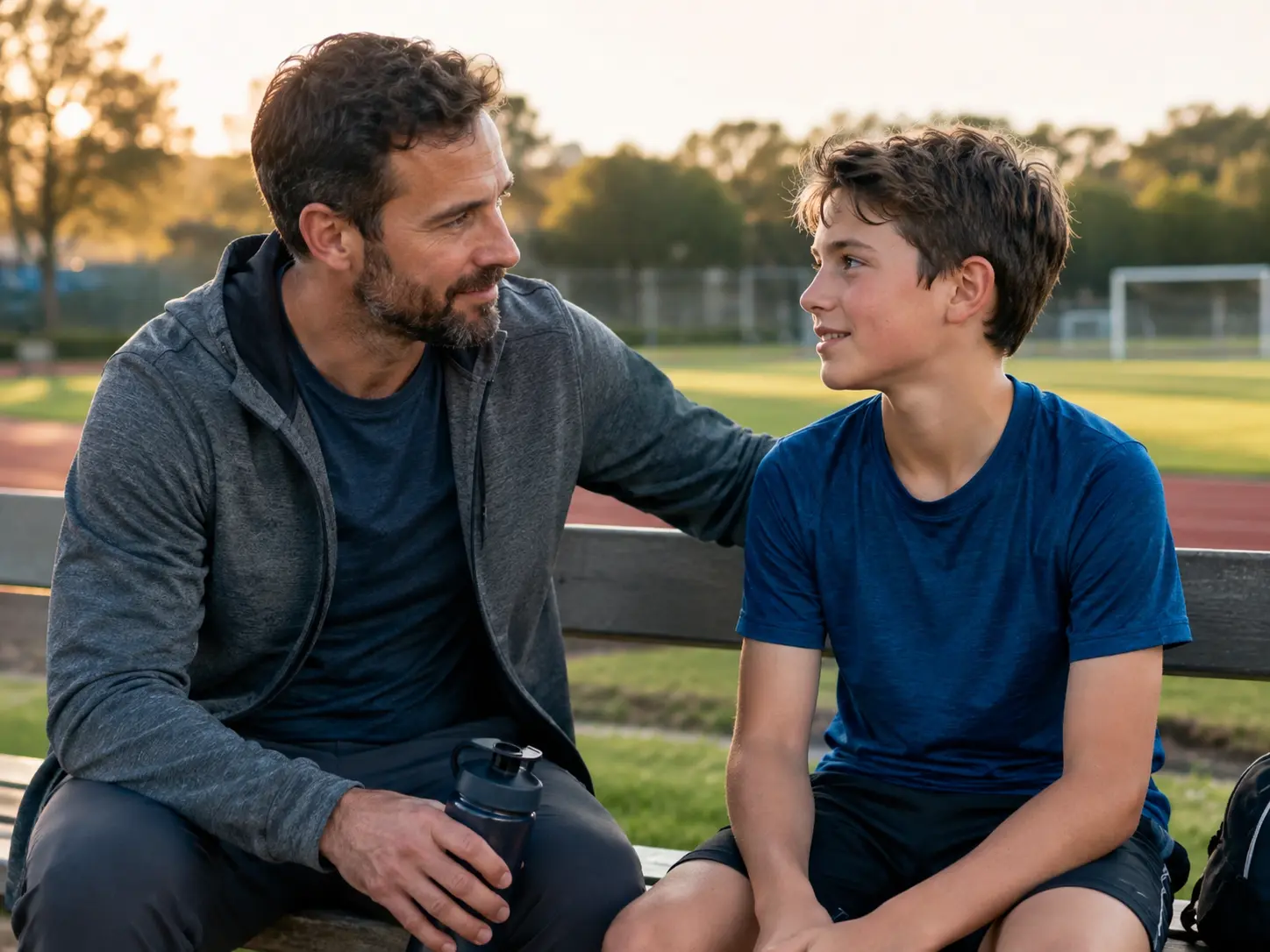
02
Parents and guardians
Families seeking a professional and individualized process suited to the context of young athletes.
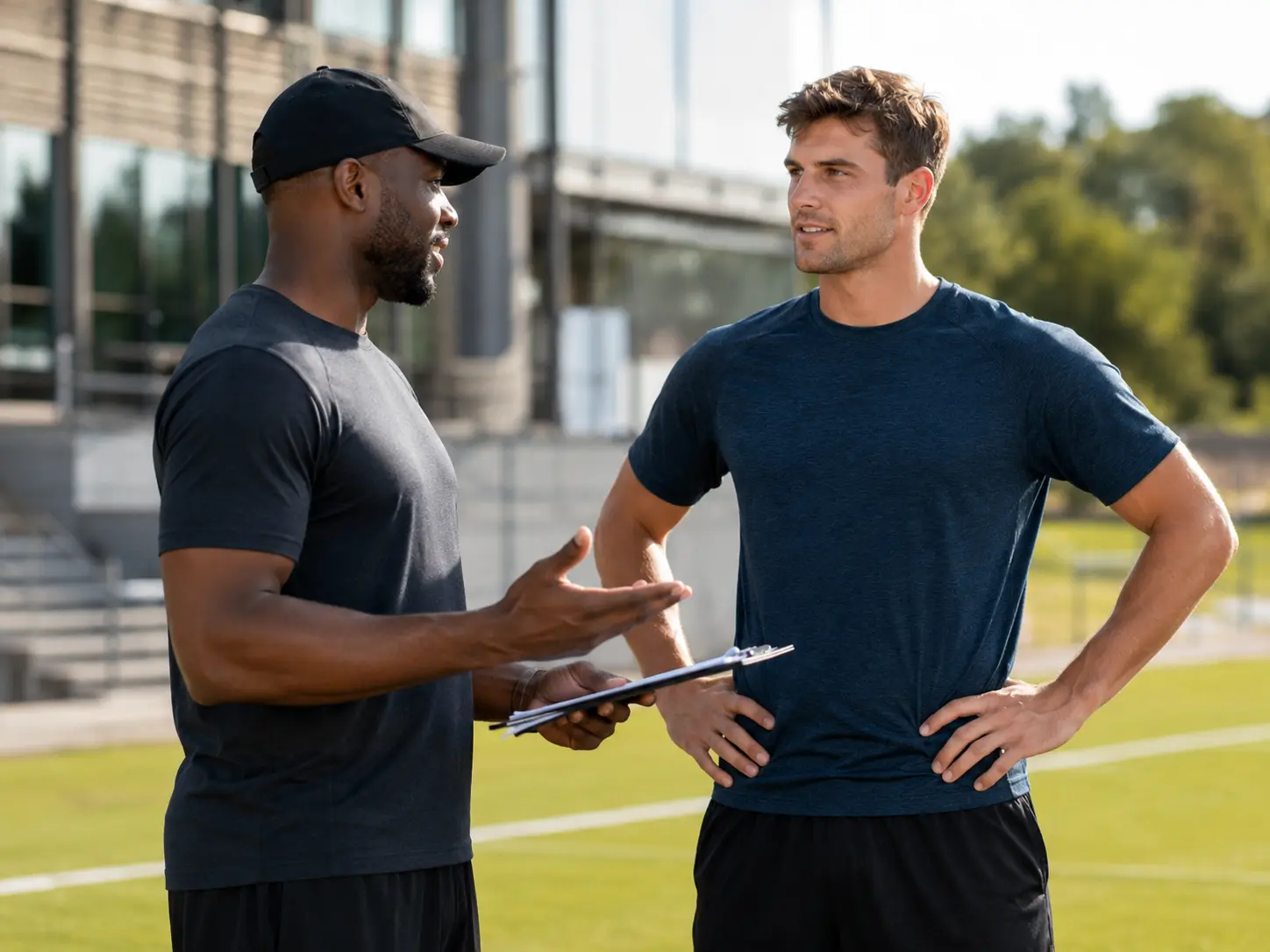
03
Different sports
A multisport approach with deeper experience in combat sports, especially jiu-jitsu.

Meet Nicoly Porto
Psychology, analysis, and presence in sport.
Nicoly Porto is a psychologist specialized in sport, performance analyst, and founder of Athlete Analyst.
Her work integrates sport psychology, neuroscience applied to performance, individual interviews, structured assessments, data, and competitive context to understand how each athlete functions and transform the findings into practical development strategies.
Her experience in jiu-jitsu provides a deeper understanding of combat sports without limiting her work to a single sport. Her background also includes participation in training environments, competitions, sporting events, and close work with athletes and families.
CRP 06/173440
Trust and professionalism
A professional, individualized, and confidential process.
01Individualization
+
Each analysis considers the athlete’s history, sport, current moment, and objectives.
02Confidentiality
+
Interviews, responses, reports, and information shared during the process are treated confidentially.
03Online services
+
The process takes place online, allowing athletes in different cities and countries to participate.
04Integrated analysis
+
No result is interpreted in isolation. Interviews, assessments, and context are analyzed together.
05Professional review
+
Reports and recommendations are reviewed and approved by Nicoly. They are not delivered as automated interpretations.
06Clear communication
+
Athletes receive more than numbers. They receive explanations of what the patterns may represent, their likely impact on performance, and possible development priorities.
07Presence in sport
+
The work combines professional education, continued study, and close experience with athletes, training environments, competitions, events, and families.
08No labels or comparisons
+
Results are not used to diagnose, label, or compare athletes.
Real experiences
Clarity, individualization, and practical application in sport.
“It changed my game. I learned to stop carrying an error into the next play and return to the present faster. I am more focused, calmer, and much more consistent.
“Nicoly’s work created a very positive change in my daughter’s development as an athlete. As a mother, I now see a more mature, aware, and confident athlete. Nicoly leads the entire process with seriousness, attention, and sensitivity, respecting the athlete’s individuality and working on points that truly make a difference in performance.
“The work left me much better prepared mentally. Today I can manage anxiety better, maintain focus, and avoid losing myself emotionally when something goes wrong in competition.
“As a coach, I saw a clear evolution in how my athletes handled pressure, mistakes, and decisive moments. The work complements technical and physical preparation by helping the athlete understand what is happening and respond more strategically.
Each process is individual. These testimonials describe personal experiences and do not constitute a promise of results.
Frequently asked questions
What you need to know before getting started.
01Is the Performance Analysis completed online?+
Yes. The interview, assessments, feedback session, and ongoing support are provided online.
02Do I need to be a professional athlete?+
No. The process can support professional, competitive, or amateur athletes who take their development seriously.
03Which sports do you work with?+
Athlete Analyst uses a multisport approach, with deeper experience in combat sports, especially jiu-jitsu.
04How are the assessments selected?+
The assessment battery is selected according to the athlete’s sport and language.
05Will I only receive assessment scores?+
No. The results are integrated with the interview and sporting context and transformed into an individualized analysis.
06What will I receive at the end?+
You will receive an individualized report, a feedback session, and practical development priorities.
07Is my information confidential?+
Yes. Personal information, interviews, responses, and reports are treated confidentially.
08Is ongoing support required after the analysis?+
No. The analysis can be completed as an independent process. Ongoing support is presented when it is appropriate for the athlete’s objectives.
09Can parents or coaches participate?+
When appropriate and agreed in advance, parents, guardians, or coaches may contribute information or participate in specific stages while respecting the athlete and the confidentiality of the process.
Your next step
Clarity to understand. Strategy to develop.
The process begins with a conversation to understand your current moment, objectives, and which path makes the most sense for you.
Talk to NicolyYou will communicate directly with Nicoly.