Training well but underperforming in competition
 Athlete Analyst
ANALYSIS · DEVELOPMENT · PERFORMANCE
Understand the patterns shaping your performance.
Athlete Analyst combines an individual interview, structured performance instruments, and sport context to turn patterns in behavior, emotion, attention, and Flow into clarity, priorities, and practical strategies for training and competition.
Online in Portuguese and English · Individualized process · Human review by Nicoly Porto

Nicoly Porto · Mental Performance Analyst
Training and competition
When training does not show up in competition, there is a pattern worth understanding.
You can know what to do, be technically prepared, and still execute differently when pressure rises. Emotions, expectations, mistakes, environment, decision-making, and previous experiences can change how easily an athlete accesses what they trained.
The answer is not simply more pressure or another reminder to ‘be confident.’ The goal is to understand what is happening and build more deliberate, strategic, and functional responses.
Losing control after a mistake
Feeling anxiety, urgency, or freezing
Rushing decisions under pressure
Swinging between confidence and self-criticism
Struggling to recover after losses
Not understanding why some days work and others do not
These patterns need to be understood within each athlete’s history, functioning, and sporting context.
What Athlete Analyst examines
An athlete is not a score. Performance emerges from a system.
The analysis connects areas that influence one another. No result is interpreted in isolation.
Behavior
How the athlete tends to think, act, organize, relate to others, and respond to personal demands.
Emotion
How the athlete perceives, understands, and regulates emotions, especially under pressure, uncertainty, mistakes, and expectations.
Flow
The conditions that support concentration, clarity, control, engagement, and execution during training and competition.
Identity & Context
How the sport, routine, team, coach, family, competitive schedule, goals, and previous experiences influence performance.
Analysis and Development
A structured process for turning information into practical direction.
Performance Analysis creates clarity around relevant patterns. Performance Development turns priorities into practice over time.
Understand the pattern
Maps performance-relevant patterns through an individual interview, structured performance instruments, and sport context. You receive a personalized report, a live feedback session, and development priorities.
Explore Performance Analysis →Build the response
Turns priorities into practice over time through individual sessions, strategies applied to training and competition, review of what happened, and progressive adjustment. It can begin after Performance Analysis or, when appropriate, as an independent service.
Explore Performance Development →Analysis creates clarity. Development turns clarity into practice.
Who it is for
For athletes who want to understand and develop their performance with depth.
You do not need to be a professional athlete. The process is for athletes who take development seriously and are willing to observe, apply, and review.
01
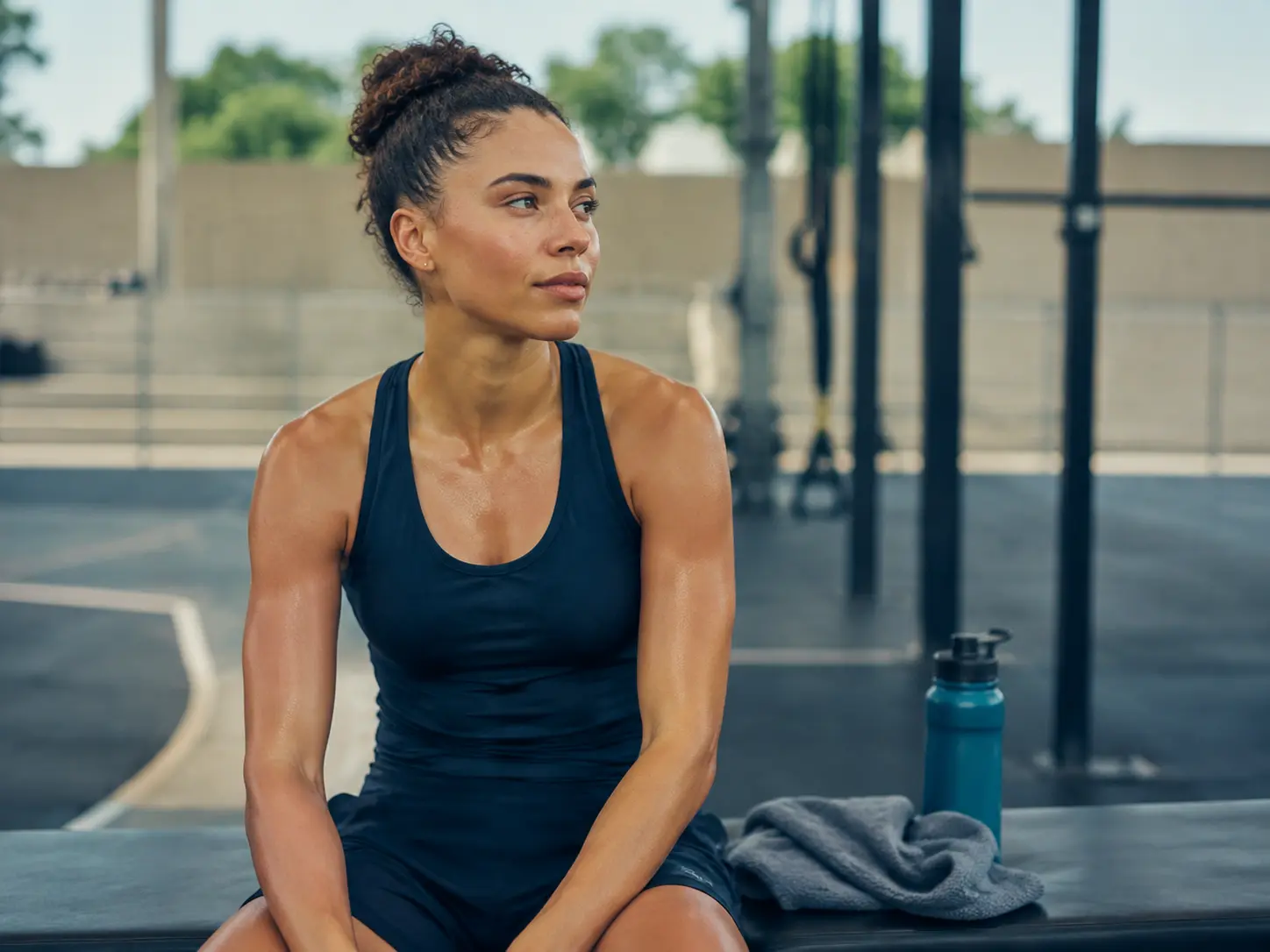
Athletes
Professional, competitive, and performance-oriented amateur athletes.
02
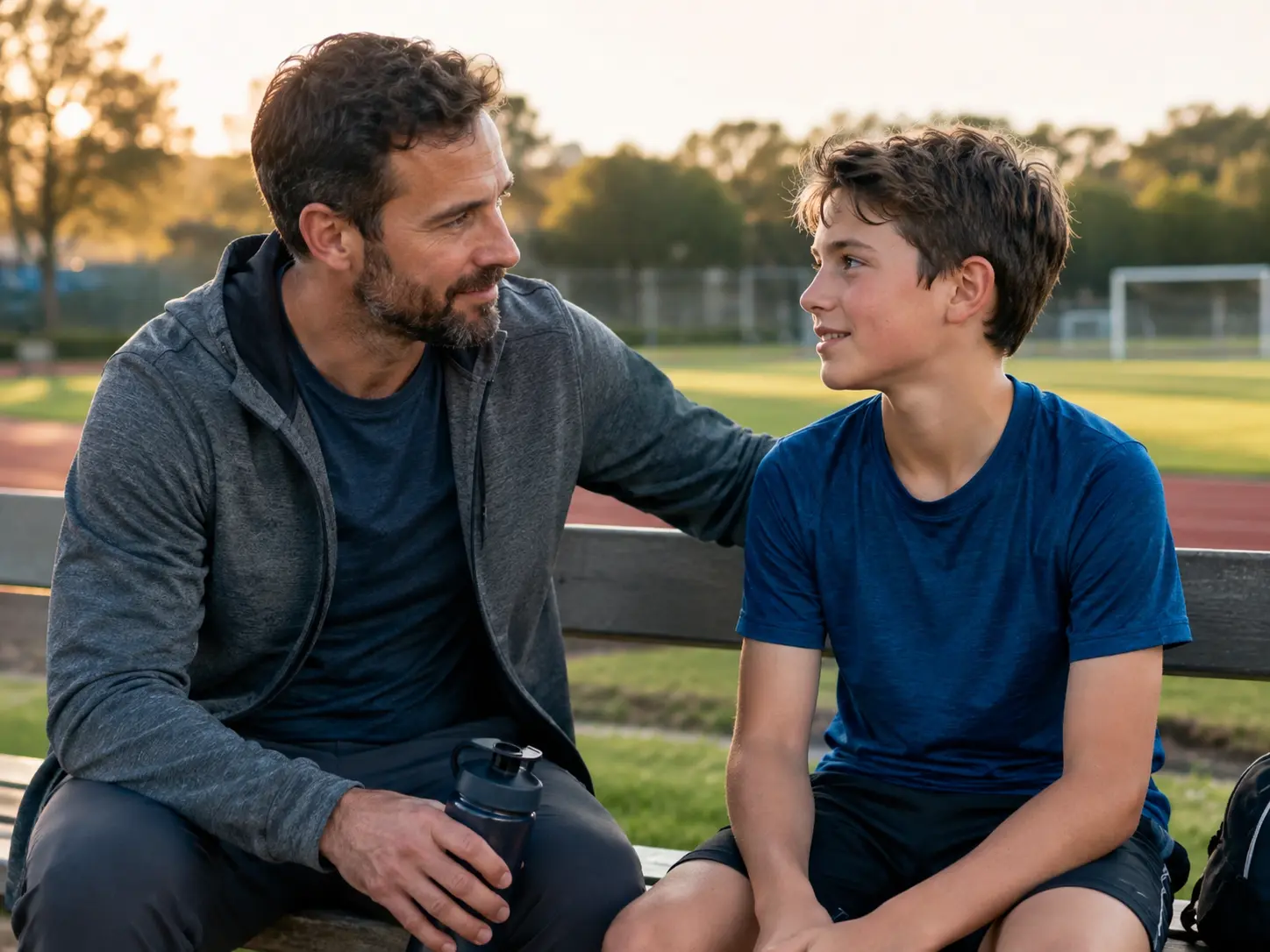
Young athletes
Athletes ages 13–17 through the appropriate guardian and age-appropriate athlete-participation process. The current online workflow does not begin new service engagements for athletes under 13.
03
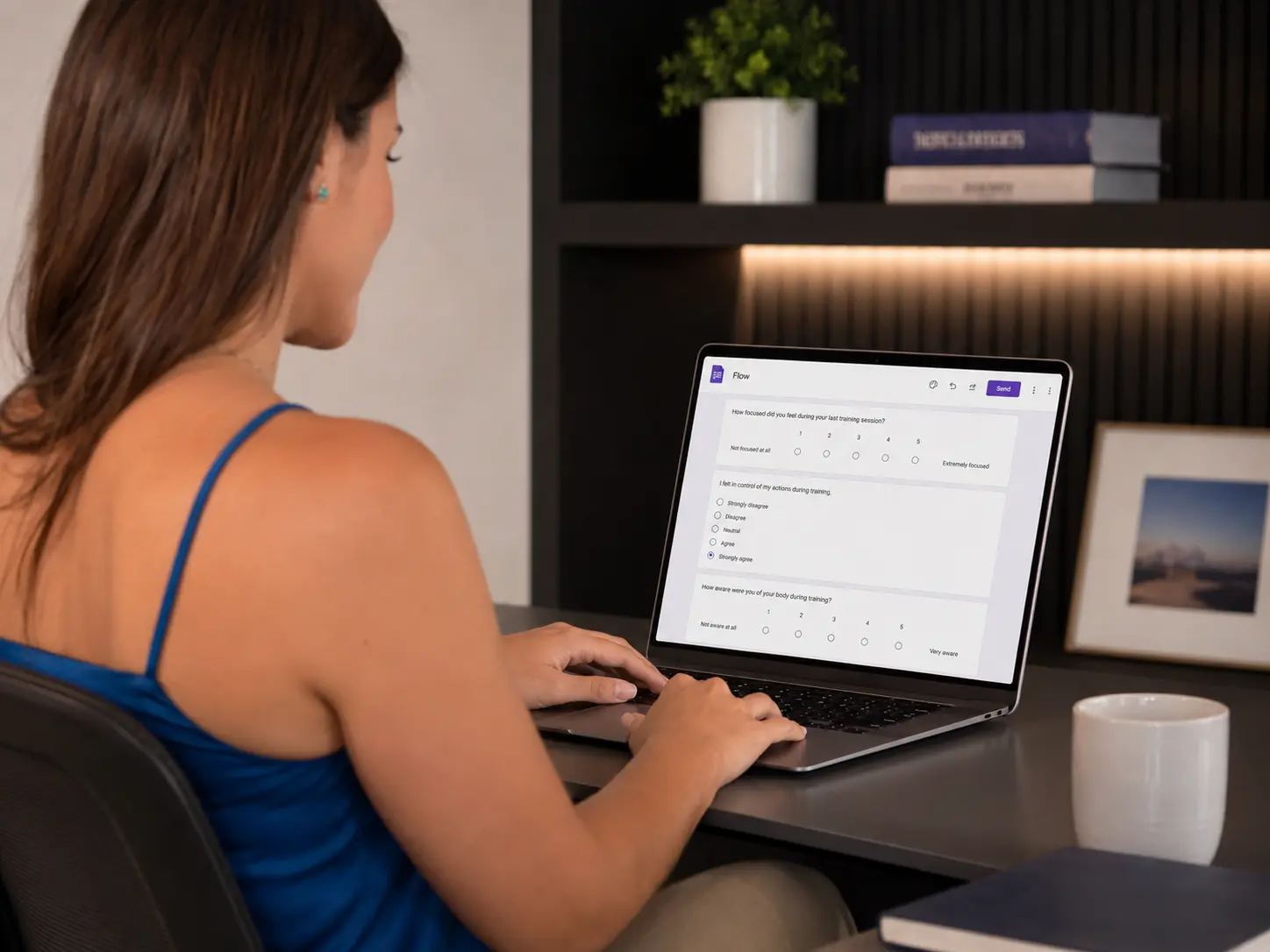
Parents and guardians
Families looking for clear, individualized performance development without reducing a young athlete to a label or a score.

04
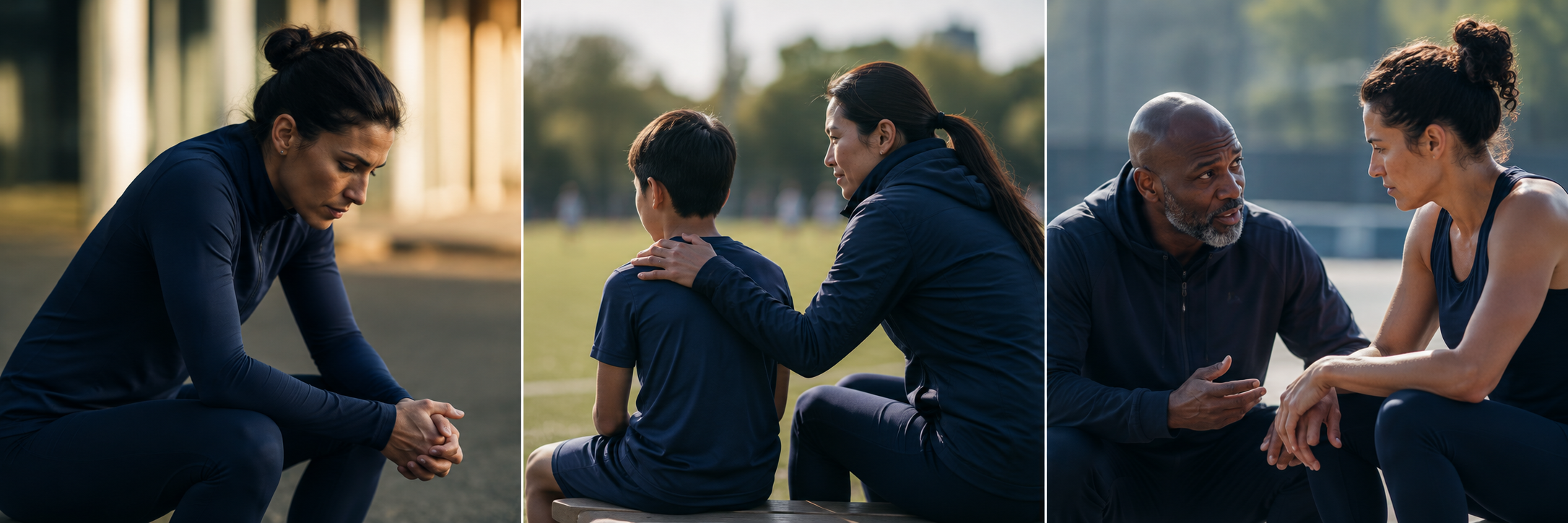
Coaches and support team
Coaches and other support professionals may participate in specific parts of the process when useful and appropriately authorized.
05
Different sports
A multisport approach with deeper experience in combat sports, especially jiu-jitsu.

Meet Nicoly Porto
Analysis, strategy, and presence in sport.
Nicoly Porto is a Mental Performance Analyst, founder of Athlete Analyst, and creator of the Performance Analysis method. Her background in Psychology, study of sport, performance, and neuroscience, and proximity to the sporting environment inform a method focused on understanding patterns and turning them into practical direction.
Background in Psychology · Professional registration in Brazil: CRP 06/173440
Trust and professionalism
Depth to understand. Clarity to apply.
01Individualization
+
History, sport, competitive phase, and goals shape the process.
02Integration
+
Interview, performance instruments, qualitative responses, and context are connected before conclusions are drawn.
03Human review
+
Technology may support organization and production, but individualized interpretation and final reports are reviewed by Nicoly.
04Clear language
+
Athletes are shown the difference between a result, a pattern, a hypothesis, and a recommendation.
05Authorized collaboration
+
Parents, guardians, coaches, or other support professionals may participate in specific stages when useful and appropriately authorized.
Frequently asked questions
What you need to know before getting started.
01What is Athlete Analyst?+
Athlete Analyst provides Performance Analysis and Performance Development for athletes. The work connects individual interviews, structured performance instruments, sport context, and practical application to help athletes understand patterns, define priorities, and develop more consistent responses in training and competition.
02What is the difference between Performance Analysis and Performance Development?+
Performance Analysis is designed to create clarity: it integrates information, identifies patterns, and includes a personalized report, a live feedback session, and development priorities. Performance Development works on priorities over time through sessions, application, review, and adjustment. You can start with the Analysis or, when appropriate, begin directly with Development.
03Do I need to be a professional athlete?+
No. Athlete Analyst can work with professional, competitive, and performance-oriented amateur athletes, as well as young athletes through the appropriate contracting flow. What matters is taking development seriously and participating actively in the process.
04Which sports do you work with?+
Athlete Analyst uses a multisport approach. There is deeper experience in combat sports, especially jiu-jitsu, while each process is organized around the demands, context, and language of the athlete’s sport.
05Is the process online?+
Yes. Services are delivered online in Portuguese or English. Availability is subject to service eligibility and the applicable jurisdiction.
06Do you work with young athletes?+
Yes. The current online workflow serves athletes ages 13–17 through a process that involves a parent or legal guardian and age-appropriate participation by the athlete. Athlete Analyst does not currently begin new online service engagements for athletes under 13.
07Can parents, guardians, or coaches be involved?+
They can be involved in specific parts of the process when it supports the athlete’s goals and the appropriate authorization is in place. Payment by another person or organization does not create automatic access to the athlete’s substantive information.
08How does confidentiality work?+
Personal and performance information is handled confidentially within the applicable authorizations, service documents, and law. When collaboration with a parent, guardian, coach, or another professional is appropriate, the information to be shared is defined in proportion to the purpose.
09What type of service does Athlete Analyst provide?+
Athlete Analyst provides performance services focused on athlete understanding and development. Topics such as behavior, emotion, attention, self-regulation, and Flow may be addressed when they are relevant to athletic performance. The service does not replace psychotherapy, diagnosis, psychological or medical treatment, formal psychological assessment, or crisis care.
10How do I get started?+
If you want a structured understanding of your current performance patterns, start with Performance Analysis. If your priorities are already clear and you want to work on application and development over time, Performance Development may be the better starting point. If you are unsure, talk to Nicoly.
Your next step
Clarity to understand. Strategy to develop.
If you are not sure which service fits your current needs, start with an initial conversation. Nicoly can help determine whether Performance Analysis or Performance Development is the better starting point.
Talk to NicolyDirect contact with Nicoly Porto.